
Updated: 2026-03-07

Best Trading Journal for Futures Traders in 2026

Futures markets are unforgiving in a specific way: the leverage is high, the speed is fast, and behavioral errors — sizing up after a winner, revenge trading after a gap fill gone wrong — compound faster than in almost any other market. A 2021 analysis of retail futures accounts by the CFTC found that over 70% of individual accounts lose money in any 12-month period, with the primary driver being inconsistent execution rather than flawed strategy. A trading journal built specifically for futures traders closes that gap — it captures fills automatically, tracks intraday session behavior, and shows you the patterns you cannot see when you are in the trade.
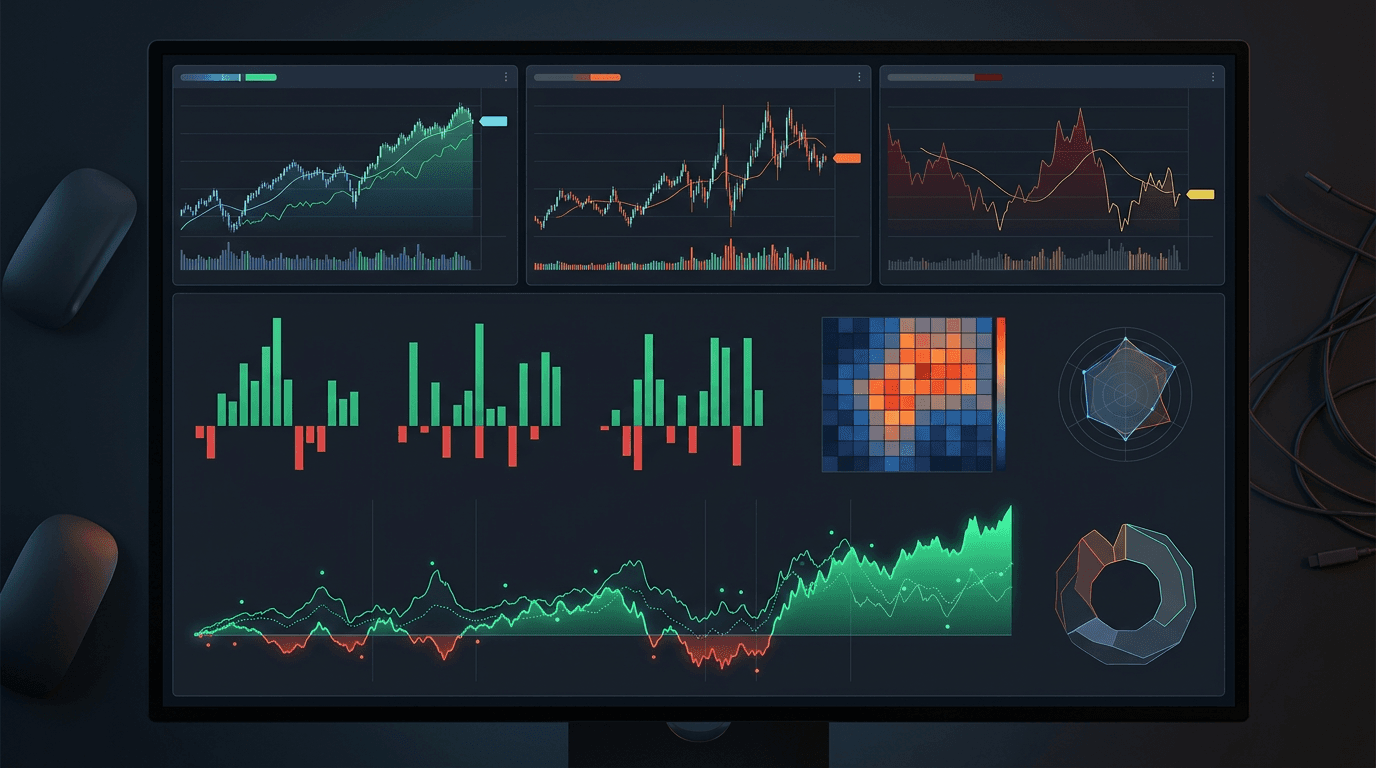
Best Trading Journal for Futures Traders in 2026

What a Futures Trading Journal Must Handle

Most general trading journals were built for equity traders and retrofitted for futures. That creates gaps that matter: contract roll handling, notional exposure tracking, session time filters (RTH vs. ETH), and margin-aware risk metrics. A journal purpose-built for futures handles all of this automatically.

The core requirements for any futures-specific journal are automatic fill capture from your broker (NinjaTrader, TradeStation, Rithmic, Tradovate, or CQG), correct notional calculation per contract (an ES trade is very different from an MES trade), and the ability to filter by session so you can compare your RTH edge versus ETH behavior.

  • Automatic fill import from major futures platforms (Rithmic, Tradovate, NinjaTrader, TradeStation)
  • Correct contract multiplier math — ES vs MES, NQ vs MNQ handled automatically
  • Session filters: RTH vs ETH analysis separately
  • Behavioral tags: revenge trade, oversized, planned vs reactive
  • Daily max loss tracking vs. hard stop rules

Best Trading Journals for Futures Traders

There are a few serious options for futures traders, and the right one depends on what you trade and what behavioral pattern you are trying to fix. Here is how they compare for futures-specific workflows.

  • Tiltless — best for multi-asset futures traders who need behavioral leak detection and AI coaching across ES, NQ, CL, GC, and micro contracts
  • TradeZella — strong for pure day-traders of index futures with pre-session planning
  • Tradervue — solid for equities traders who also dabble in futures but lacks native behavioral tagging
  • NinjaTrader native analytics — adequate for basic stats but no behavioral pattern detection
  • Excel/Sheets — viable for very disciplined traders; fails at scale and provides no AI analysis

How Tiltless Works for Futures Traders

Tiltless connects directly to your futures broker via trade statement import or API, captures all fills automatically, and computes session-level behavioral metrics. For futures traders, the most valuable features are the tilt detection system and the session comparison engine.

The tilt detection system watches for classic futures overtrading patterns: adding to losers, increasing size after a drawdown, trading outside planned session hours, and exceeding daily loss rules. These are tagged to individual trades and surfaced in your weekly review so you can see exactly which behavioral pattern cost you the most R last month.

The session comparison engine answers the question every futures trader should be asking: is my edge present in RTH and absent in ETH, or vice versa? Most traders carry losing sessions in extended hours for months without realizing it because they only look at total PnL.

  • Import via Tradovate, Rithmic, NinjaTrader, TradeStation, or broker CSV
  • RTH vs ETH session split with separate performance metrics
  • Behavioral tag auto-detection: tilt, revenge, oversize, unplanned
  • AI coaching specific to futures behavioral patterns
  • Daily loss guardrails with session termination alerts

What to Journal on Every Futures Trade

Futures trades move fast, which means journaling needs to be frictionless or it will not happen during the session. The practical approach is to let the journal capture the hard data — fills, size, timing, PnL — automatically, and then spend 60 seconds on behavioral context after each trade closes.

The five behavioral fields that matter most for futures traders are: planned or reactive, position sizing relative to plan, session quality at entry (1–5), emotional state tag, and whether you honored the stop without adjusting it. These five fields, attached to 200+ trades, will show you more about your behavioral edge than any indicator.

  • Planned vs. reactive — was this trade in your pre-session plan?
  • Size adherence — did you trade your planned contracts, or did you deviate?
  • Stop discipline — did you honor the stop or widen it?
  • Emotional state — calm, elevated, tilt, or FOMO at entry?
  • Session quality — 1-5 score that tracks independent of P&L

The Weekly Review Ritual for Futures Traders

The weekly review is where the journal pays off. For futures traders, the review should take 20–30 minutes and cover three things: which behavioral patterns cost you R, whether your edge was present or absent this week, and one specific constraint to enforce next week.

The most common insight futures traders discover in their first month of structured journaling: the strategy is not the problem. The losing weeks are driven by a specific behavioral cluster — usually revenge trades taken after a max-loss day or oversized entries after a winning streak. Once you see it in data, you can set a rule that prevents it.

Related Resources

FAQ

?What is the best trading journal for ES and NQ futures?

Tiltless supports ES, NQ, YM, RTY, and micro contracts (MES, MNQ, MYM, M2K) via Tradovate, Rithmic, and TradeStation imports. Its behavioral tagging and session split analysis are built for index futures day traders.

?Can I journal futures trades automatically without manual entry?

Yes. Tiltless imports fills directly via broker statement uploads or API connections for Tradovate and supported Rithmic-connected platforms. Fills, sizing, and timing are all captured without manual input.

?Do futures journals track margin and notional exposure?

Tiltless computes notional exposure per contract and tracks it against your account size. This lets you see your actual risk per trade in dollars, not just contracts.

?How do I separate RTH and ETH performance in my trading journal?

Tiltless lets you filter any performance metric by session time. You can compare your win rate, average R, and behavioral scores in regular trading hours versus extended hours to identify where your edge actually lives.

?Is Tiltless good for micro futures traders?

Yes. Tiltless handles micro contracts (MES, MNQ, MYM, MCL, MGC) correctly, including the different multipliers. It is a common starting platform for traders scaling from micros to full-size contracts.

Journal your futures trades — free

Connect Tradovate, Rithmic, or import a broker statement. Tiltless shows you the behavioral pattern behind your worst futures sessions.

Best Trading Journal for Futures Traders 2026 | Tiltless